
Illegal Dumping at Cherwell: A National Failure of Waste Regulation
12th December 2025
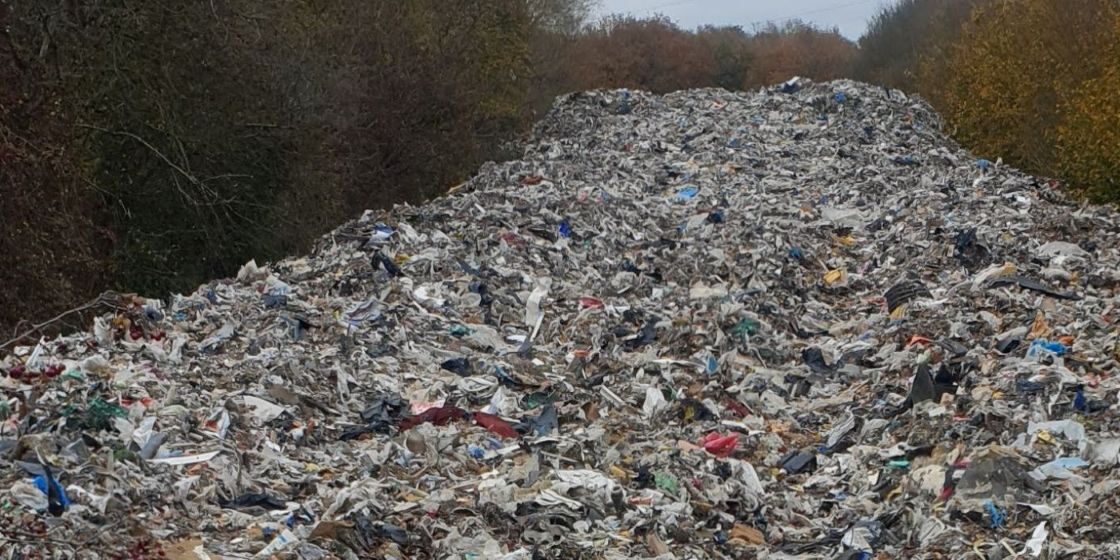
The scale of the illegal waste dump at Cherwell has rightly alarmed local residents and environmental groups. This is not just a serious case of environmental damage in one place, but a clear example of wider failures in waste regulation, environmental protection and joined-up infrastructure planning across England.
A serious threat to the river
The site poses a grave threat to the surrounding countryside and, most urgently, to the River Cherwell. Vast quantities of illegally dumped and partially processed waste risk releasing toxic pollutants into the soil and river system, damaging water quality, harming wildlife and destroying fragile habitats.
With the river now at increased risk of flooding, contamination could be carried downstream, threatening ecosystems and drinking-water reservoirs within the Thames Water catchment. Once rivers are polluted, recovery can take years, if not decades.
A system that is failing
Illegal dumping on this scale does not happen in isolation. It reflects poor oversight, inadequate monitoring of waste movements and a lack of coordination between planning, transport, waste and environmental regulation. If waste can be moved and deposited unchecked for years, the system designed to prevent it is not working.
The Environment Agency has a vital role in enforcement but is dangerously underfunded, leaving it overstretched and slow to act. Waste regulation is also inadequate: penalties are too weak and enforcement too reactive. This is organised criminal activity, with large profits made by avoiding landfill tax and disposal costs — while clean-up costs fall on the taxpayer.
While landfill tax is intended to reduce waste, in practice it can create perverse incentives for illegal dumping, and then act as a barrier to swift clean-up, as uncertainty over liability and tax costs delays action and increases the burden on the public purse. A problem which has played out in Cherwell.
Not just Cherwell
This is not an isolated case. There are an estimated 8,000–13,000 illegal waste sites across the country, including at least six of a similar scale. This is a national failure. Why does it so often take a media furore to trigger action, rather than effective regulation that prevents harm in the first place?
Action at last — but serious questions remain
While we welcome discussions about clearing up the Cherwell site, there is still no confirmed funding or timetable. Reports were made to the Environment Agency as early as May 2025, yet meaningful action only followed intense media and public pressure, losing valuable time to prevent ecological damage.
Clearing up one site while others remain unaddressed is not a solution.
A call for action
CPRE Oxfordshire is calling for:
- Proper funding for the Environment Agency
- Stronger, proactive waste regulation with meaningful penalties
- Joined-up infrastructure and environmental planning
- Urgent action on all known illegal waste sites
Protecting our rivers and countryside should not depend on scandals or headlines. It requires political will, adequate resources and regulation that works in the public interest.
If you want to take action, Save Our Cherwell — a coalition of residents, campaigners, scientists, councillors and landowners — is monitoring the site, seeking volunteers and fundraising for water testing, environmental expertise and legal costs.