
Government Chooses Worst Option for Oxfordshire, Putting Green Belt at Risk
20th July 2026
CPRE Oxfordshire says the Government has chosen the worst of the available options for local government reorganisation in Oxfordshire, selecting the only proposal that fails all three of its own published tests for value for money, appropriate scale and efficient service delivery — while also placing the Oxford Green Belt under the greatest threat of development.
CPRE Oxfordshire is deeply disappointed by the Government’s decision to create a three-unitary authority model for Oxfordshire, including a Greater Oxford authority. We believe this is the most damaging option for the county’s countryside and communities.
The 3Councils proposal is expected to be the most expensive option to implement, with higher transition costs and increased council tax required to fund the changes. It also creates authorities that are significantly smaller than the population size the Government itself indicated was desirable, reducing opportunities to achieve economies of scale and making services more costly to deliver over the long term.
At the same time, the decision would break up county-wide services that currently operate successfully across Oxfordshire, including adult social care, children’s services, highways and transport, fire and rescue, waste disposal and strategic planning. This fragmentation risks major disruption at a time when local government should be focused on delivering high-quality services and addressing Oxfordshire’s housing, infrastructure and environmental challenges.
Oxford is already unable to meet its housing needs within its own boundaries. By creating a Greater Oxford authority with an extended strategic reach into surrounding districts and parishes, the Government risks intensifying pressure for development on Green Belt land that was designated to prevent urban sprawl and protect the character of Oxford and its surrounding villages. Once lost, this countryside cannot be replaced.
“This is a dark day for Oxfordshire’s Green Belt and a serious setback for local democracy,” said Marcus Gilleard, CPRE Oxfordshire’s Director. “The Government has chosen the worst possible option for local government reorganisation, one that fails its own tests and puts our countryside under greater pressure.
We urge the new Prime Minister to honour his pledge to give more power back to local people and revisit this decision. Only then can we ensure development is planned sustainably, in the right places and at the right scale, protecting Oxfordshire’s countryside for future generations.”
CPRE Oxfordshire strongly supports a plan-led approach to development, with housing delivered in the right places and informed by a county-wide assessment of infrastructure, environmental capacity and community impact. However, the transition to the new authorities creates a period of uncertainty that could encourage speculative and poorly planned development proposals. We are clear that uncertainty must not become an excuse for weakening Green Belt protections or undermining adopted and emerging Local Plans.
The Oxford Green Belt is not simply land waiting to be developed. It is essential infrastructure for Oxfordshire, providing wildlife habitat, public access to nature, climate resilience, flood mitigation and protection for the historic setting of Oxford and surrounding settlements. We therefore call on the Government and the new authorities to make an explicit commitment that Green Belt boundaries will not be reviewed as part of local government reorganisation.
In this transitional period, we call for:
- the ongoing progression of district Local Plans to adoption without any delay;
- development limited to sites agreed under existing adopted or proposed draft Local Plans;
- NO speculative development;
- NO development on the Oxford Green Belt; and
- any speculative development coming forward must be assessed in terms of its cumulative impact on infrastructure, services, biodiversity and the wider environment.
As plans, policies and staffing structures develop for the 3Councils, we call for:
- a full, inclusive and multi staged public consultation process, with time and opportunity allocated for feedback to be given and included, rather than any “tick box” or “fast track” consultation process;
- no reduction of resources allocated to planning matters. We are currently in a position where district resources are already stretched to deal with planning applications. Skilled and experienced planning resources within the districts must be retained and amalgamated;
- a county-wide Renewable Energy Strategy, supported by public consultation and engagement, should provide a clear framework for the scale, location and delivery of renewable energy projects. The transition to renewable energy presents important opportunities for Oxfordshire, but it must be carefully planned to ensure it works alongside the protection of our countryside, supports rural communities, and strengthens the local economy. We promote and encourage a “rooftop first” approach, with all new developments meeting the “highest possible” energy efficiency standards;
- policy which enables the right houses to be built in the right places. Emphasis given to the provision of genuinely affordable housing for social rent. Affordability should be assessed against the median wage of a key worker in the area, rather than as a percentage of market value of houses in the area;
- priority to be given to the provision of homes in the City of Oxford, rather than further employment development. The City has very high employment rates and new employment sites will only attract people to either move to or commute into the City, further exacerbating existing housing and congestion problems;
- a clear commitment to protecting and enhancing Oxfordshire’s green spaces, from rural landscapes to urban nature areas, recognising them as essential infrastructure for our communities. Access to nature is not a “nice to have” but a fundamental requirement for a thriving county – supporting public health, biodiversity, climate resilience, food security and the long-term strength of the local economy;
- a commitment to increase the county’s hedgerows by 40% by 2050, in line with the recommendations of the Climate Change Committee, as well as the implementation of a robust policy to protect existing hedgerows, particularly where these are of importance to the local landscape;
- protection of dark skies, with policy making specific reference to the control of obtrusive light and to introduce strict regulation of exterior lighting, setting standards for brightness, colour and temperature of all lighting.
Despite our profound disappointment with the Government’s decision, CPRE Oxfordshire will continue to work constructively with the new authorities to ensure that planning remains genuinely plan-led, that the Oxford Green Belt and wider countryside are protected, and that future development respects the landscapes and communities that make Oxfordshire unique.
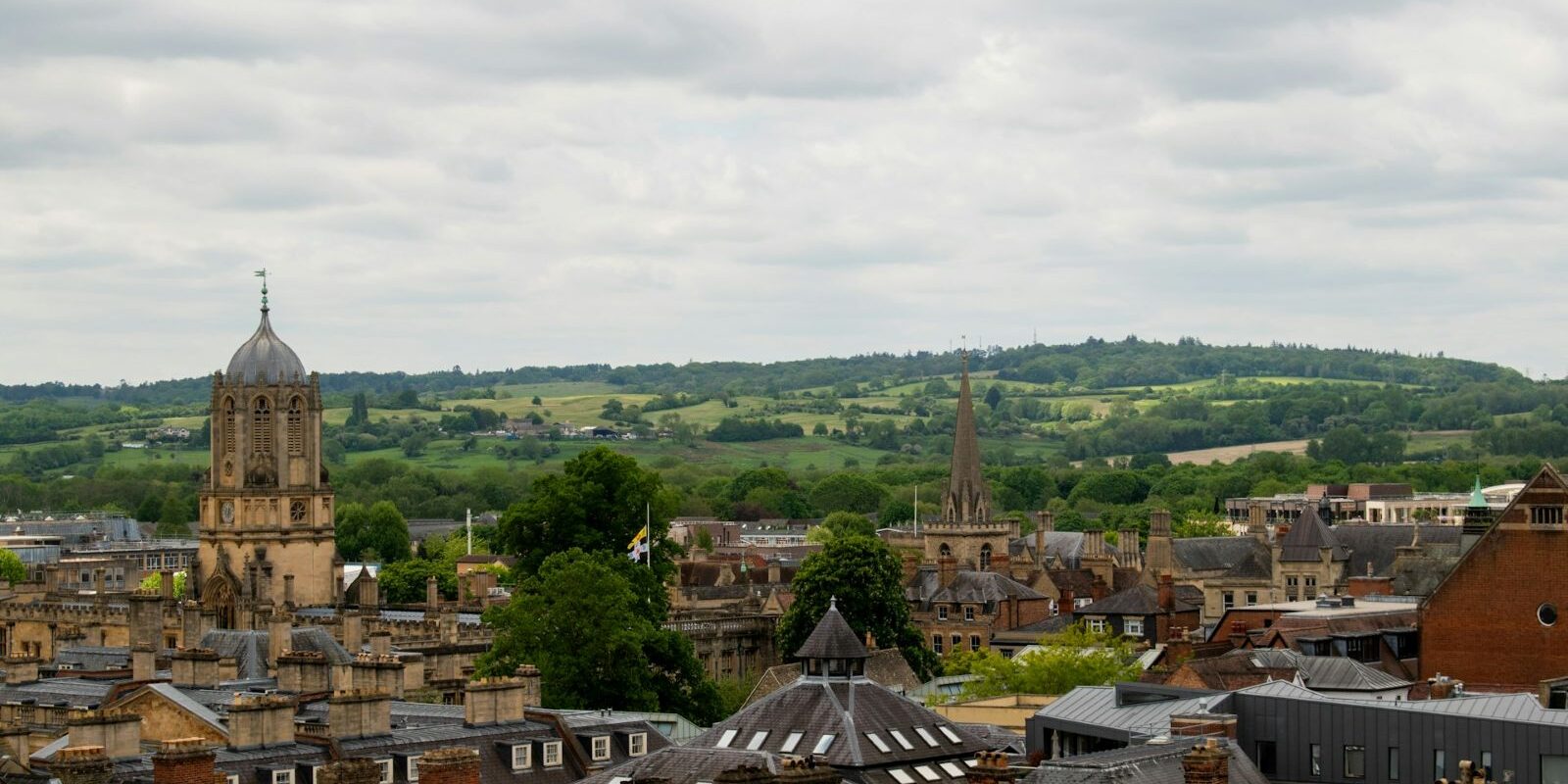
Photo by Simon Ray on Unsplash