
Brownfield land could provide more than 8,000 potential homes across Oxfordshire
22nd September 2026
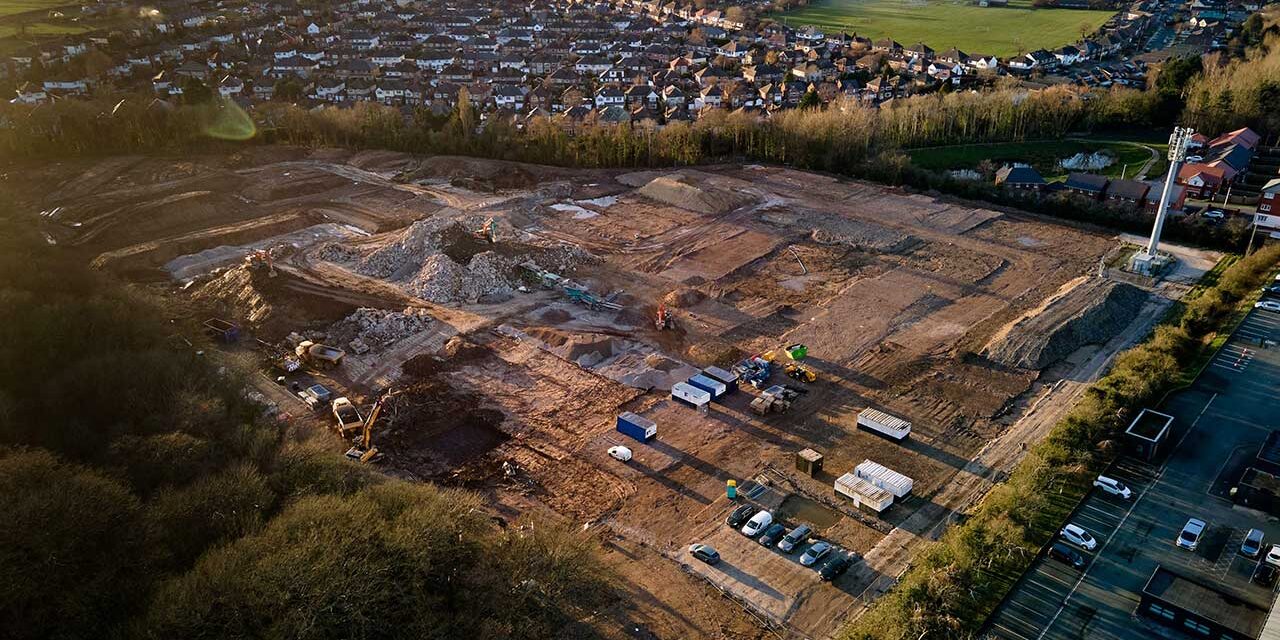
New CPRE research has identified 8,340 potential homes on brownfield sites across Oxfordshire — including almost 4,000 on sites that already have planning permission.
CPRE’s State of Brownfield 2026 analysis of 2025 brownfield registers has found enough brownfield land across England for at least 1.54 million potential homes — exceeding the Government’s target of 1.5 million homes.
The research also highlights the amount of previously developed land recorded across Oxfordshire, identifying potential capacity for:
- 2,836 homes in Cherwell
- 2,498 homes in Oxford
- 1,910 homes in South Oxfordshire
- 693 homes in the Vale of White Horse
- 403 homes in West Oxfordshire
Together, these sites represent 8,340 potential homes across Oxfordshire, with 3,975 on sites that already have planning permission.
What do the figures mean?
The figures come from brownfield registers maintained by local planning authorities. CPRE’s analysis looks at sites recorded as suitable and available for housing and uses the minimum number of homes identified for each site.
That does not mean that 8,340 homes are ready to be built immediately – brownfield sites can face challenges including viability, infrastructure requirements and other planning constraints – and it doesn’t mean that every site will ultimately be developed for housing. It does, however, provide an indication of the amount of previously developed land recorded as having potential for housing across Oxfordshire – and diminish the argument that we should be releasing yet more Green Belt land, eroding our precious countryside.
Making the most of brownfield land
CPRE is calling for a genuine brownfield-first approach to housing development, alongside investment to help unlock suitable sites that currently face barriers to development.
Nationally, CPRE’s research found that more than 850,000 of the 1.54 million potential brownfield homes already have planning permission. For Oxfordshire, the research provides useful evidence for the ongoing conversation about where new homes should be planned and how suitable previously developed land can be brought forward.
Ensuring that suitable previously developed land is properly identified and considered is an important part of planning for the county’s future.
Keeping brownfield registers up to date
The research also highlights problems with the way brownfield registers are maintained, finding that only 61% of brownfield registers in England were updated during 2025.
Brownfield registers are an important source of information about potential development opportunities so keeping them accurate and up- to-date enables councils, communities and developers understand what land is available and what constraints may need to be addressed.
CPRE is calling for better and more consistent brownfield registers, alongside targeted investment to unlock suitable sites and a stronger focus on delivering affordable and social housing.
Read the full CPRE State of Brownfield 2026 report.